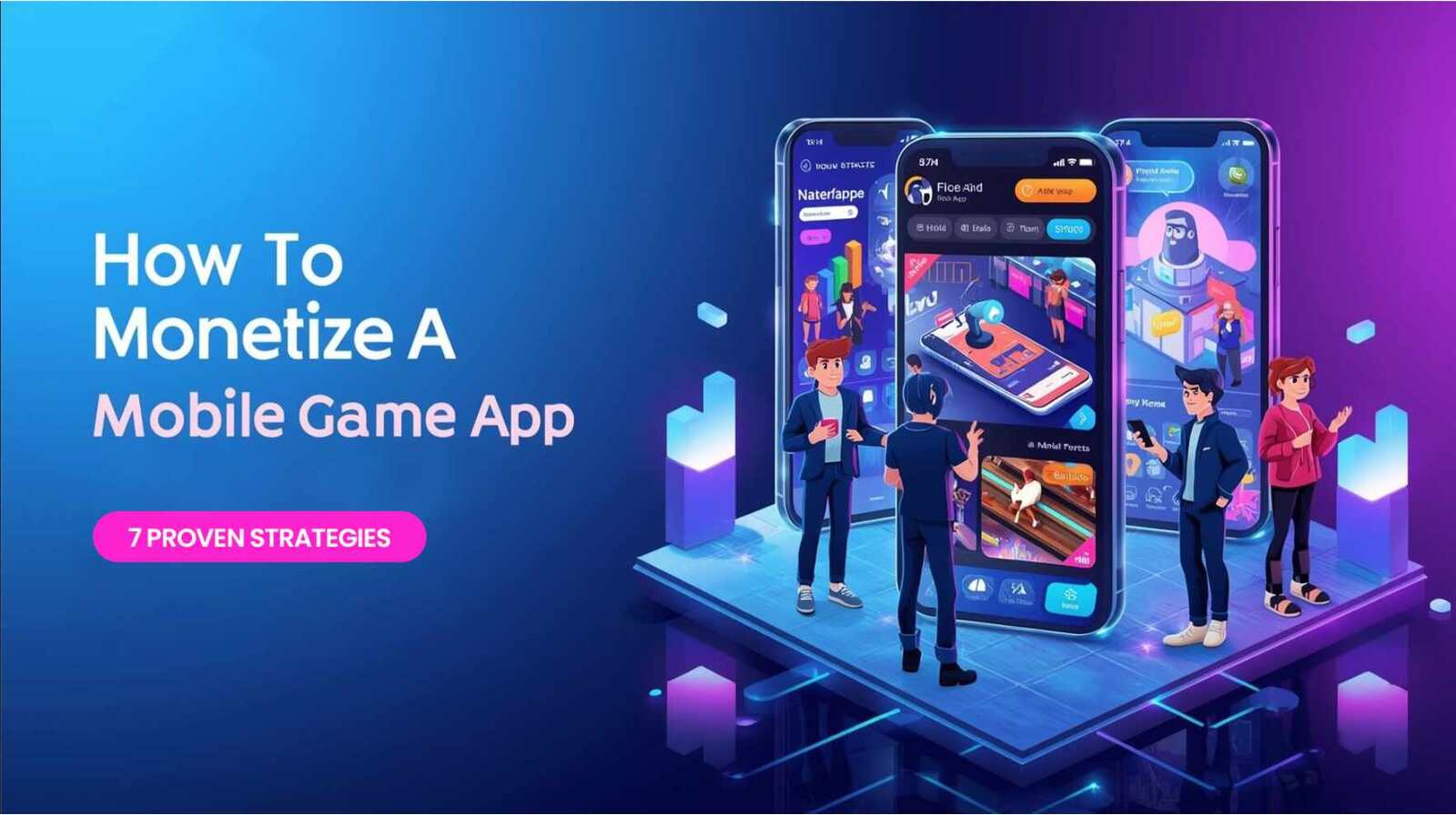
The mobile gaming sector has surpassed the $100 billion revenue mark, and whether your game can generate revenue is no longer the question; it’s how. It is not only a smart move for a startup founder or indie developer to consider partnering with the right mobile game app development company with built-in monetization, but also a foundation. The decision you make during the development phase determines how much your game will earn over the coming years.
Thank you for reading this post, don't forget to subscribe!In-App Purchases: Behind The Largest Titles, The Revenue Engine
Table Of Content
In-app purchases (IAPs) remain the most popular monetization model in mobile gaming. Players use money to buy cosmetic items, extra lives, power-ups, exclusive characters, or extended content without ever having to see a paywall on the download page.
The strategy behind the psychology is simple: provide players with enough to get addicted, then present significant upgrades. Games such as Clash of Clans and Candy Crush grew empires based on this system. In the case of Game App Development Services In The USA, Hire Expert Developers, the first question worth raising is how IAPs will be implemented as part of the game’s economy, rather than added much later.
Subscription Models: Consistent Revenue, Loyal Players
Subscriptions have been creeping up, becoming one of the most reliable sources of revenue in gaming. The ability to provide a monthly “VIP pass” with special benefits, no advertising, and early access to new content generates a steady revenue stream and reduces reliance on sales spikes.
At the platform level, Apple Arcade uses a subscription model, but individual games may use one as well. If you are asking how much it will cost to build a mobile game application in 2026, the answer is that it is increasingly incorporating subscription infrastructure, which is more complex to build but delivers retention benefits over time.
Rewarded Ads: Monetizing Without Alienating Your Audience
In free games, players don’t spend money, but will see a 30-second commercial to receive an in-game reward. Rewarded video ads strike a balance between monetization and user experience that interstitials can never match.
This model is particularly effective in casual and the best battle royale games, such as PUBG 2026, where momentum plays a critical role, and players have a strong incentive to keep it going. Advertising platforms such as Unity Ads and IronSource enable game developers to incorporate rewarded advertising without disrupting gameplay.
A key stat worth knowing: according to Statista, mobile ad revenue spent on gaming is only increasing year over year, which is why this is one of the more appropriate ways to build a future-proof revenue strategy.
Battle Pass Systems: The Seasonal Monetization Loop
The Fortnite-style battle pass has become a genre staple.res. Each season, players spend a fixed amount of money to access a progression track that has cosmetic rewards. It is a win-win on several levels: developers will receive predictable income, players will feel valued for the time they have invested, and the model will encourage daily engagement.
The insight into the Guide to Game Development: Stages, Workflow, and Pipeline helps clarify where battle pass systems should be planned during content and economy planning, long before launch. Converting a battle pass into an existing game can be retrofitted, but it is hardly ever a perfect fit.
Freemium With Premium Unlock: Hybrid Monetization
The freemium model is based on the core game being free, with premium content unlocked by a one-time purchase. Consider it as an everlasting demo that transforms serious players into paying customers.
This approach is particularly well-suited for strategy and puzzle games. It is also a response to one of the fundamental issues the Game App Development Cost In The USA: A Complete Guide For Startups addresses: how to recoup the development investment without constraining your total addressable market through upfront charging.
Developers are increasingly recommending cities such as New York and San Francisco as the hybrid model for conversion-seeking startup founders.
Licensing And Brand Partnerships
Licensing becomes available once a game has a significant user base. IP deals, brand integrations, and co-marketed events are revenue streams that most early-stage developers do not even consider.
A large brand spending to advertise its product within a well-known mobile game is no longer a fantasy but a trend well documented by other major gaming publications. Here, the difference between mobile and PC game development comes into play because mobile is always-on and location-aware, making it much more appealing to advertisers than PC platforms.
Teams in Game app development services in Los Angeles have assisted studios in negotiating such deals. Game app development services in Chicago have done the same by creating analytics dashboards.
Live Events and Merchandise
The last frontier of monetizing games shifts completely to the off-screen. A huge opportunity for games with a strong community is physical merchandise, limited-edition merchandise, and live gaming events.
This is not only with AAA titles. Indie games with high aesthetics and a cult following have run successful Kickstarter merchandise campaigns and local esports events. It’s worth noting that Can AI Replace Game Developers? is a growing conversation in the industry, but human creativity in community building and live experience design cannot be substituted.
Choosing The Right Development Partner Matters
It is not a system but a feature called monetization. And just any system must be engineered, not improvised, as many Game app development services in Austin will present. This is done by presenting audience data in a way that is enticing to brand partners.
Partnering with a game app development firm with monetization experience means your IAP flows, ad placements, subscription tiers, and analytics are integrated into the product design.
How Much Does It Cost to Develop a Game App on iOS and Android? The question is inseparable from the monetization question since the correct model is the direct influence on your ROI timeline.
It might be a matter of whether you are deciding between a Game Development Agency vs Freelancer: Which Is Right for Your Project, or whether you are comparing companies that provide Game app development services in San Francisco vs New York, but what is more important is that you want a partner with knowledge of revenue design, rather than simply writing code.