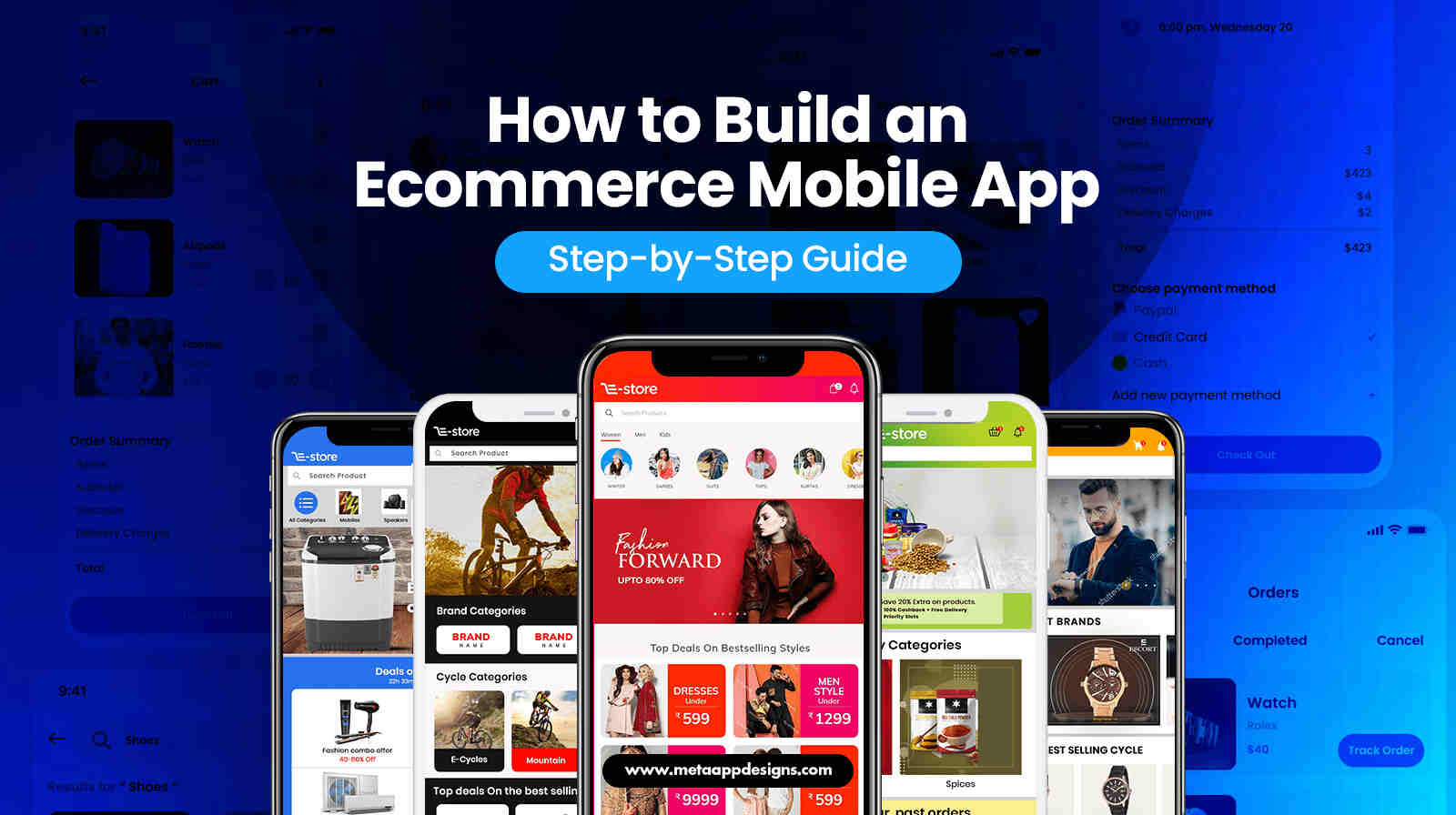
It’s not if mobile commerce will become the norm, but when. Today’s consumers demand an easy, swift, and individualized experience with their mobile phones. Companies that invest in Ecommerce application development services early reap benefits that those that are still using traditional digital channels cannot.
Thank you for reading this post, don't forget to subscribe!From startups to established brands, this guide covers everything you need to know to create an ecommerce mobile app from scratch.
Why Your Business Needs a Dedicated Ecommerce App
Table Of Content
It’s undeniable that the trend of shopping on mobile devices has replaced the traditional desktop. Businesses that don’t have a mobile presence are losing opportunities to compete with those that do, and people spend more time on apps than on any other digital channel.
The Mobile Commerce Advantage
In the comparison between ecommerce website vs a mobile app for ecommerce store, the conversion rate or engagement metrics go in favour of apps. The shopping experience is much more enjoyable in-app than in a mobile browser, with faster load times, personalized feeds, and a streamlined checkout process.
Key Benefits of a Dedicated App
A good e-commerce app can offer features that are unavailable on a website:
- Deal, cart, and order updates via push notifications
- A biometric login system for quicker and more secure access.
- Real-time tracking and delivery using GPS integration.
- These AR features are camera-based, such as virtual product try-ons. These AR features will be camera-based, e.g., virtual product try-on.
All these factors lead to increased brand loyalty and a much higher rate of repeat purchases.
Planning Your App: Research, Strategy, and Budget
Good planning is the difference between a successful app and a costly failure. It is crucial to clearly establish the target user, core use cases, competitive positioning, and monetization model before the development process begins.
Defining Scope and Competitive Research
The first step, studying the functionality of the leading platforms, is a great place to start, particularly if you want to build an app like Amazon with a powerful search engine, one-click shopping, and intelligent product recommendations. Knowing what users already have in mind when using the top apps puts you on the right foot to develop your own product.
Budgeting for Development
The ecommerce mobile app development cost can differ significantly depending on various factors, including complexity, platform, and the location of the development team:
| App Type | Estimated Cost Range |
| Basic MVP | $15,000 – $40,000 |
| Mid-Level App | $40,000 – $80,000 |
| Full-Featured Platform | $80,000 – $150,000+ |
Be sure to account for post-launch expenses; these include the annual 15-20% of the initial build that comes from ongoing maintenance, server hosting, and regular updates.
Choosing the Right Tech Stack and Development Approach
The technology choices made at this stage will impact how the app performs and scales for years to come. It’s one of the most common mistakes, and the costliest development teams can make if they rush this stage.
Native vs Cross-Platform Development
There are pros and cons to each, with which to be familiar before committing to one of them:
- Native Development: Optimized for iOS and Android for maximum performance
- Cross-Platform (Flutter/React Native): Faster builds, lower cost, good performance
- Progressive Web Apps: web-based, with some limited native functionality
Android app development services or a single, complete agency will provide you with platform knowledge without compromising on uniformity across phones.
Why Custom Development Triumphs in the Long Run
Custom Mobile App Development Services provide solutions specifically designed to integrate with your inventory systems, payment gateways, and logistics workflows. It might seem like a quick fix to use an off-the-shelf template at the beginning, but it comes with added technical debt that can hinder growth and increase expenses in the long run.
Must-have Features for a Successful eCommerce App
Features directly affect user satisfaction and revenue performance. A Forbes report on mobile shopping habits shows that apps offering a personalized shopping experience and one-tap checkout have extremely high repeat purchase rates.
Core Features That Every App Should Have
These are the essential features of a successful ecommerce app development that no other apps should be without:
- User authentication includes features such as social login, biometric sign-in, and guest checkout.
- Advanced Search & Filters: AI search with filters, including price, category, and rating
- Secure Payment Gateway: Cards, digital wallets, and buy-now-pay-later options.
- Real-Time Order Tracking: Real-time delivery information with map integration.
- Wishlist and Favorites: Features to minimise cart abandonment.
UI/UX Design and Visual Standards
But function is not the only measure of design. By borrowing from other industry-leading design systems like Meta App Designs, the app will feel modern, easy to use, and very consistent throughout different screen sizes and devices.
Development, Testing, and Launch
The build phase starts when features have been defined and designs approved. Working in short two-week cycles and conducting regular reviews helps keep the project on track and enables real feedback to guide course corrections.
Working With the Right Development Partner
A mobile apps development company in San Diego or a locally-based equivalent can provide the technical expertise and seamless collaboration during development. Making the right decision right away avoids unnecessary setbacks and wasted time down the road.
Pre-launch Testing Checklist
The following is an absolute must before going live:
- Functional Testing: Every feature works as intended
- Performance Testing: App loads quickly when the volume of real traffic is applied
- Security Testing: Payment flows and user data are totally secured.
- Usability Testing: Real users intuitively and seamlessly navigate and use the experience.
The consequences of a post-launch bug are far more expensive to remedy and can wreak immediate and permanent havoc on the brand’s reputation.
Scaling, Marketing, and Post-launch Growth
The starting line is NOT the finish line. Continued investment in user acquisition, retention, and continuous product improvement is essential to postlaunch success.
Growth Strategies That Work
The best early growth levers are App Store Optimization (ASO), paid performance marketing, and influencer partnerships. Whether it’s the development of music streaming apps, custom mobile games, or other brands, successful post-launch engagement strategies are a key determinant of whether an app grows or remains stagnant.
Long-Term Investment in Ecommerce Application Development Services
Business Insider has been reporting on the app economy, and mobile app revenue has been rising steadily YOY. The key to having a successful app that’s steadily growing after investment in ecommerce application development services is further investment through A/B testing, analytics-informed feature development, and performance optimization.