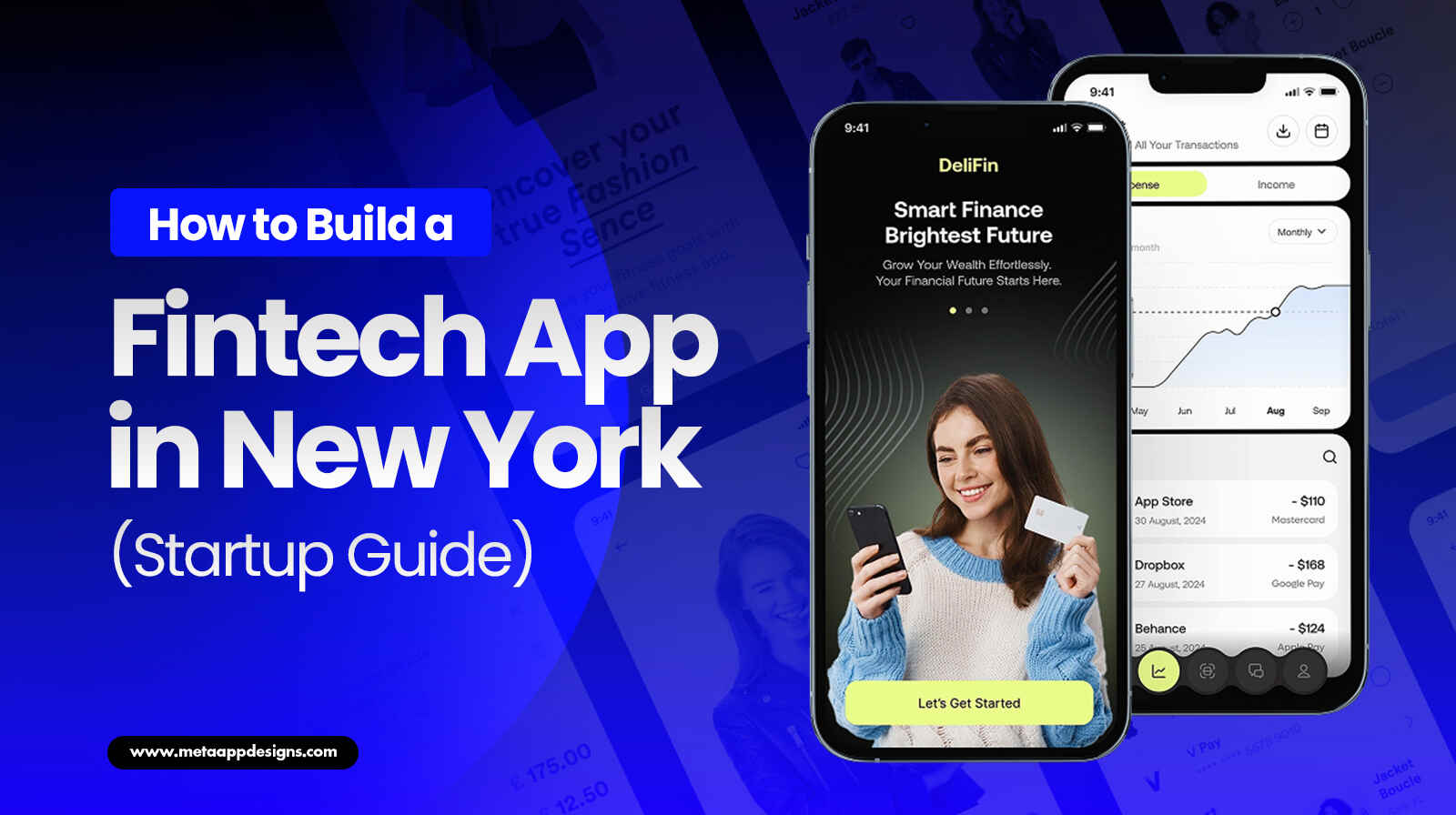
As New York’s fintech landscape quickly evolves, entrepreneurs aiming to launch a successful product in the market quickly realize that they need to hire a dedicated fintech app developer in New York who is knowledgeable about fintech and state regulations.
Thank you for reading this post, don't forget to subscribe!Creating a financial app here involves tackling strict compliance regulations and users’ demands for speed, security, and customization. Learn what founders should be aware of before beginning development, from selecting the right team to budgeting development realistically.
Why New York Is a Strategic Base for Fintech Startups
Table Of Content
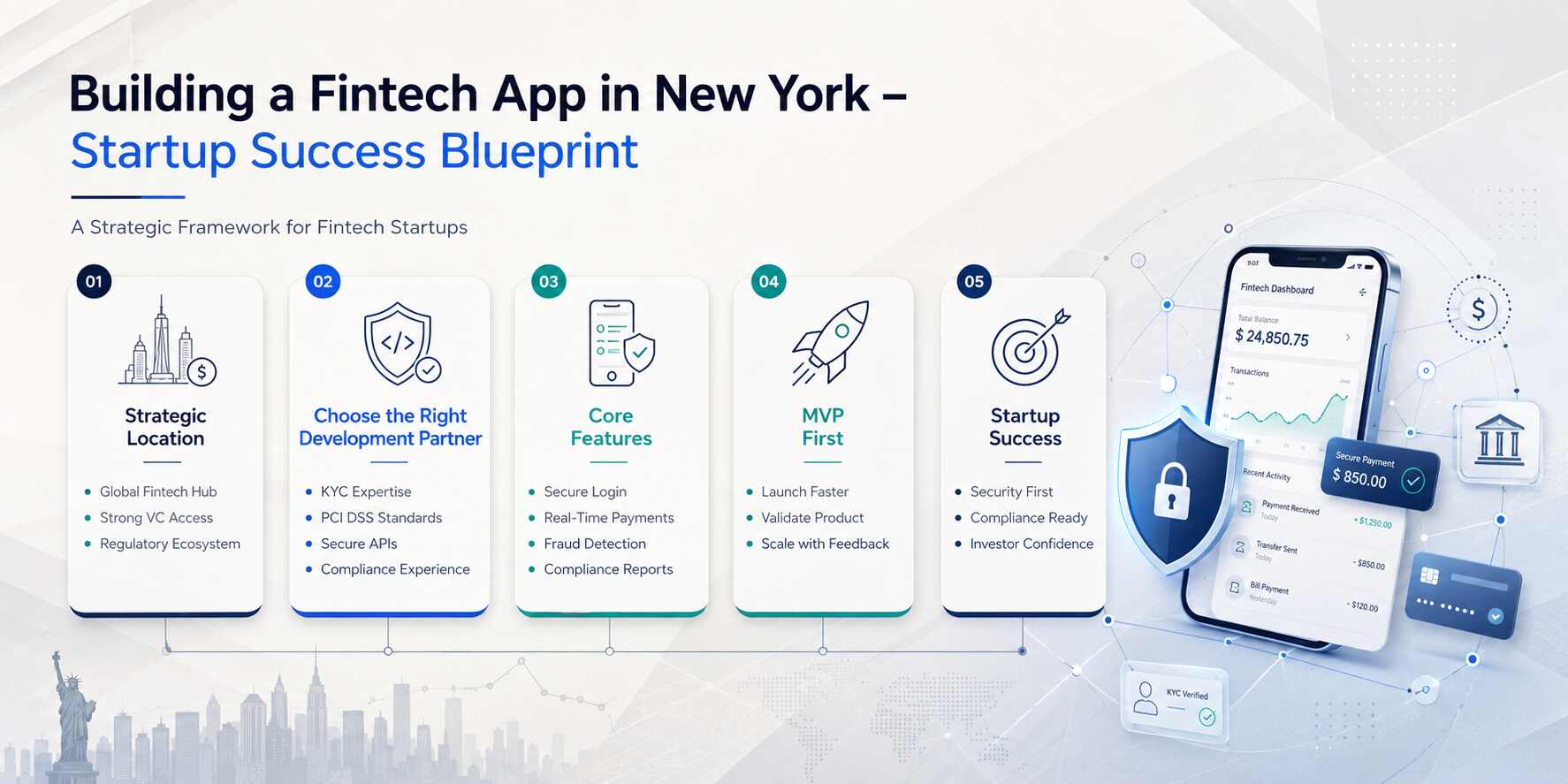
One of the world’s most densely populated fintech ecosystems is in New York, where there are thousands of fintech startups and dozens of fintech unicorns.
Innreg’s overview fintech landscape in New York reveals that the city receives a significant proportion of venture capital funding for fintech startups, with a particular emphasis on providing funding and mentorship to founders.
It’s that density, too, that makes it easy to find expert fintech mobile app development services, experienced attorneys, and a talent pool that is already equipped with the knowledge of complying with both federal and state regulations.
Proximity to investors is an advantage for founders building here, but it is also an area with greater regulatory rigor than other markets.
Choosing the Right Development Partner
Not all developers are adept at financial compliance. Before they start coding the mobile app, a qualified fintech mobile app development company should have first-hand experience in KYC verification, PCI DSS standards, and secure API architecture.
Founders should seek out case studies of partners with similar regulatory experiences. A team that understands the ins and outs of fintech app design and development will also be able to strike the right balance between a seamless user experience and the security measures mandated by regulators.
Core Features Every Fintech App Needs
Founders must have a solid feature roadmap before development begins. A good fintech mobile application developer usually suggests you build a minimum viable product to begin, and then develop further as a result of user feedback.
- Secure onboarding (using biometric or multi-factor authentication)
- Real-time transaction tracking & notifications.
- Payment processing and fraud detection are encrypted.
- Compliance-ready reporting and audit trails.
AI has become a crucial part of modern custom fintech application development solutions, helping to streamline many aspects of the process.
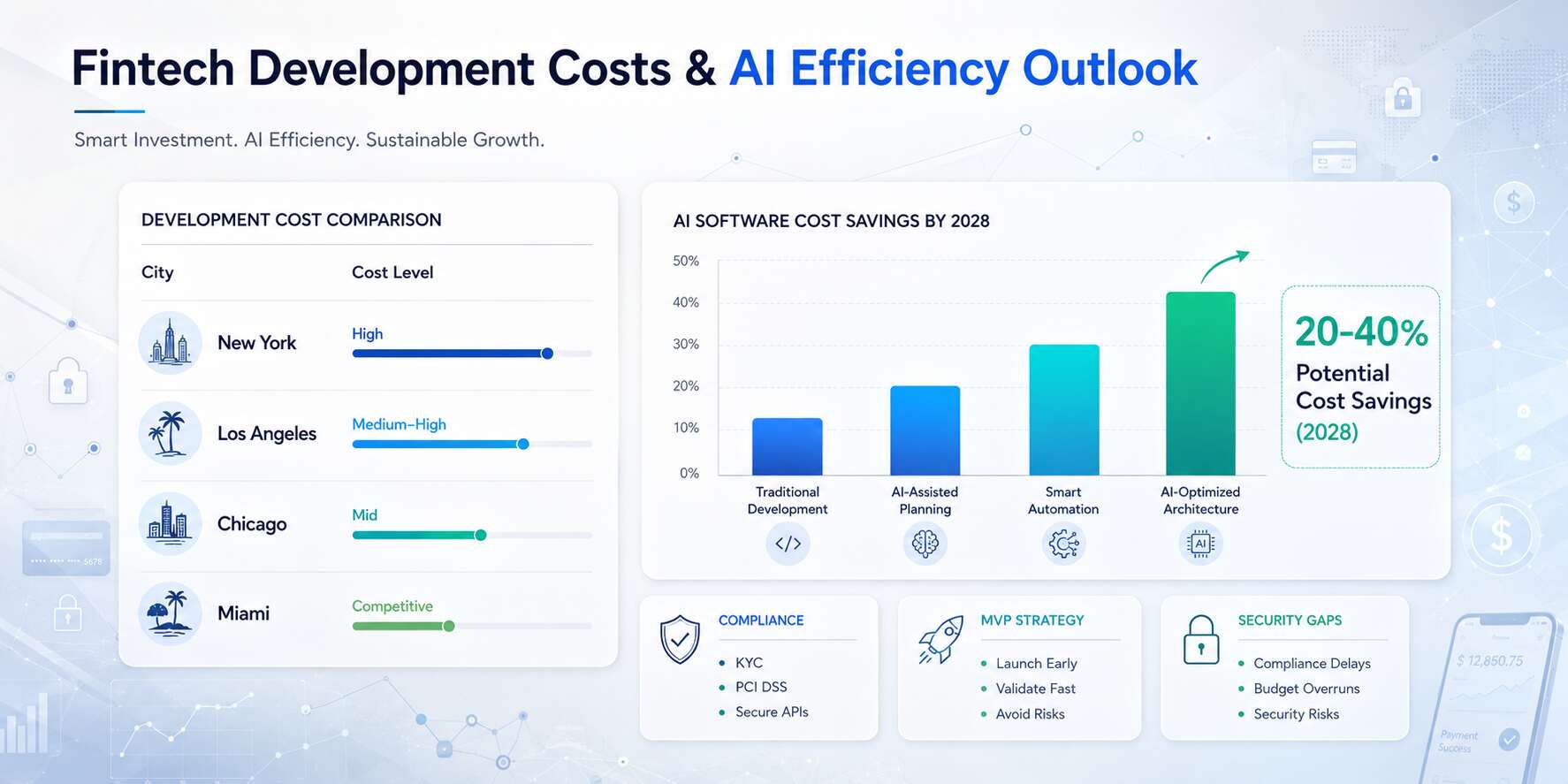
According to Deloitte’s financial services research, AI tools could boost banks’ efficiency in saving 20 to 40 percent on software investment costs by 2028, an estimate easily achievable by smaller financial technology teams by making smart architectural selections (Deloitte Insights).
Planning Your MVP
It’s difficult for startups to be ready to launch a full-fledged application on day one. In terms of the funds available, early builds are kept focused, testable, and fundable by following a Fintech MVP Development Guide for Startups: From Idea to Launch approach.
Most founders would find it extremely helpful to have a partner such as Meta App Designs that can help them narrow the scope to features that have shown product-market fit (PMF) before they scale further.
Comparing Fintech Development Costs Across Markets
Development costs vary across the continent, and New York is usually more expensive than other major tech hubs. It is better to compare before committing to a market or supplier.
| City | Typical Cost Range | Common Focus |
| New York | Higher | Compliance-heavy, enterprise-grade apps |
| Los Angeles | See Fintech App Development Cost In Los Angeles: Detailed Breakdown | Consumer-facing apps |
| Chicago | Mid-rang | Fintech app development company in Chicago for clients |
| Miami | Competitive | Fintech mobile app design services miami clients |
Understanding how to build a Fintech App in Los Angeles (Startup Guide), along with how to do so in NYC, can help founders assess whether a distributed team is a wise choice given the cost of building.
Avoiding Costly Development Mistakes
Fintech startups that rush their development often end up using up their funding. Reviewing Common Fintech App Development Mistakes That Cost Startups Millions before kicking off a build helps founders avoid the most expensive missteps early.
Skipping compliance planning, underestimating security architecture, and choosing a generalist developer over a specialized one are among the most frequent errors. Founders working with teams experienced in an ecommerce app development company, sports app development company, or retail app development company projects should confirm those teams also have specific fintech compliance experience before signing on.
FAQs
Conclusion
When building a fintech app in New York, it’s about playing the game and meeting the rules. Fintech founders who opt for developed partners, begin with an MVP, and plan for compliance costs are much more likely to have a successful launch in one of the world’s most crowded fintech markets.