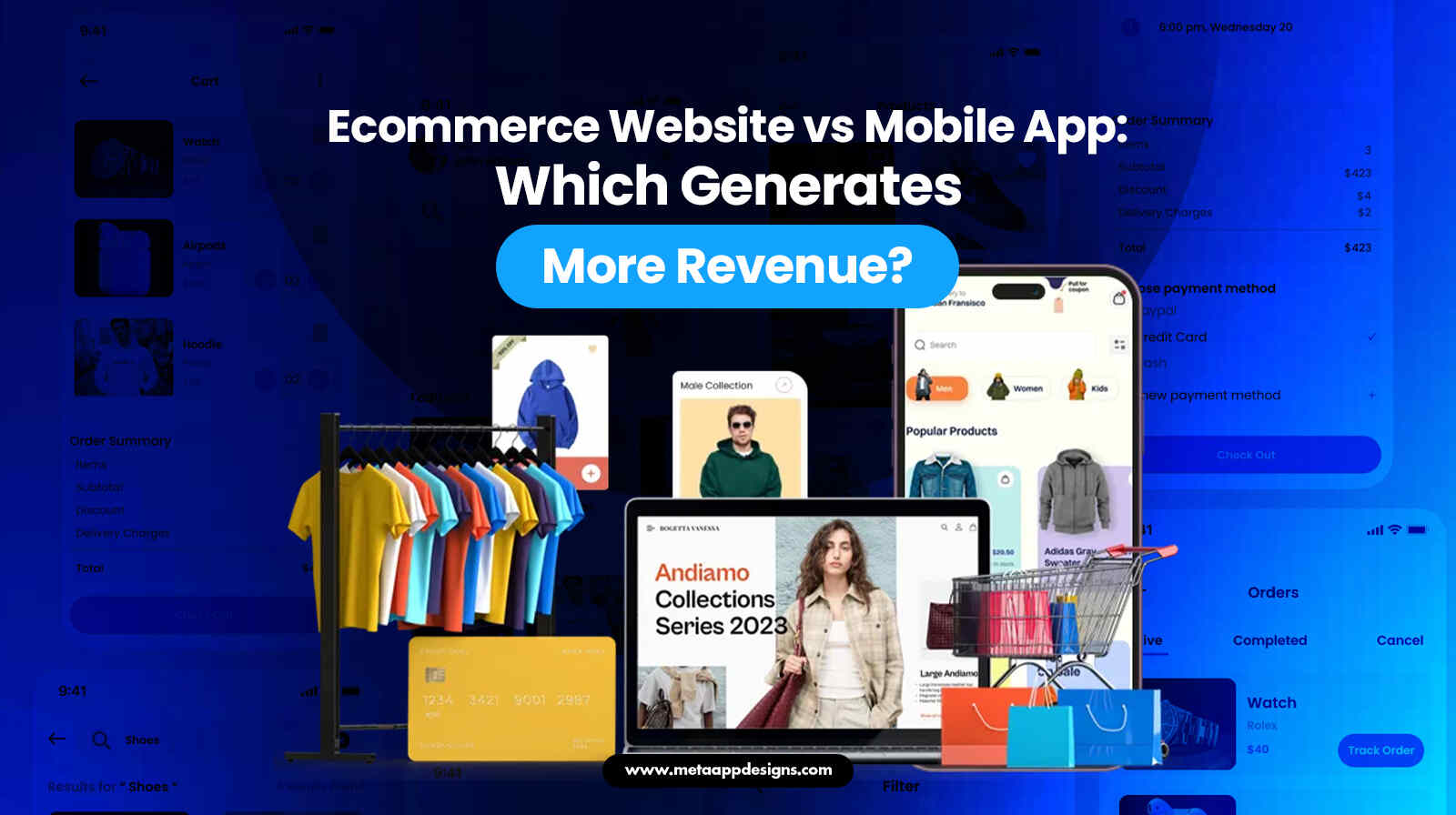
Ecommerce websites vs. apps are changing how businesses approach digital revenue. As people spend more time on their mobile phones than ever before, businesses that invest in Mobile Application Development Services are getting a definite edge in the competition.
Thank you for reading this post, don't forget to subscribe!However, is a mobile app always the best solution? This is a question that can only be answered after considering your business model, audience, and growth objectives.
Ecommerce Websites: Remaining a strong contender
Table Of Content
Ecommerce websites can be accessed without downloading, making them great for attracting new visitors and broader audiences. They’re also simpler to start, less expensive initially, and can be used on any device via a browser.
But websites have retention issues. Bounce rates are higher, sessions are shorter, and you have to invest in marketing to get customers back continuously. Brands Considering Shopify vs Custom Ecommerce App: Which Should You Build? will find that a website is fast to launch but less effective at engaging customers in the long term.
Mobile Apps: Designed for Revenue Growth
Mobile apps are designed to encourage repeat purchases. Push notifications, customization, and one-tap checkout are keeping users engaged and coming back. Nearly 3 times as many people convert on apps as on mobile websites.
Working with a trusted ecommerce application development company means developing a platform that minimizes friction throughout the process. All features are geared towards boosting order value, from biometric login to AI recommendations. Mobile commerce is set to be the primary driver of global ecommerce sales, according to Forbes, making investing in apps a smart move.
Website vs App: Revenue Metrics At a glance
It’s easier to make a decision when you know the numbers. Let’s examine both platforms side by side using some critical revenue metrics.
| Metric | Ecommerce Website | Mobile App |
| Conversion Rate | 1–3% | 3–5% |
| Session Duration | 3 minutes | 7 minutes |
| Customer Retention | Moderate | High |
| Push Notifications | No | Yes |
| Personalization | Limited | Advanced |
Apps are successful in engagement. Accessibility is the key to websites. It all depends on the stage of your customer’s journey.
What Does App Development Actually Cost?
One of the frequently asked questions is: How much does eCommerce App Development Cost in 2026? The cost of a basic app is approximately $30,000, and a more comprehensive platform can cost more than $150,000.
The number depends on a variety of factors, such as the platform you choose, the complexity of the design, and whether you hire mobile app developer San Francisco or mobile app design services in Washington DC.
Although it is an investment, the long-term return is good. Apps are worth it because of reduced repeat acquisition costs, increased lifetime value, and brand loyalty. Going app-first is beneficial for brands seeking blockchain app development services to facilitate secure transactions, as well as for sports app development companies entering the retail space. The following are key cost drivers:
- The feature set and third-party integrations.
- iOS, Android, or cross-platform development
- The design of the user interface and the backend system.
- Post-launch maintenance and updates
Choosing the right development partner
Your app is a reflection of your team. Your partner should possess a solid grasp of ecommerce strategy and technical execution, whether you’re collaborating with mobile app developers in Indianapolis or creative studios that provide Meta App Designs.
Search for agencies that have a track record, transparent pricing, and after-launch services. A good partner with solid Mobile Application Development Services will transform your business objectives into an experience that turns browsers into buyers.
Features That Drive Real Sales
As you look through 12 Must-Have Features For a Successful Ecommerce Mobile App, you will see that each of the best features minimizes the friction involved in making a purchase. Loyalty programs, real-time tracking, smart search, and smooth payment gateways all contribute to higher conversion rates.
Personalized recommendations, one-tap checkout, and push notifications are all on the 7 Must-Have Features For A Successful Ecommerce App list, and they are among the most common features. These are not “add-on” features but rather revenue levers that directly affect your bottom line.
Conclusion
Mobile apps are more effective than websites on key metrics that matter most to businesses with long-term revenue: retention, conversion, and customer lifetime value. While websites are still crucial for discovery and wide reach, apps are where loyal customers are created.
Early investment in Mobile Application Development Services provides brands with an enduring edge. Business Insider points out that mobile-first businesses are taking a disproportionate amount of digital business, and the divide will continue to widen.